Transcripts are rich with opportunities for learners to notice features of the target language; both through reading what’s written and by listening to what is spoken.
Videos provide dual input – the audio soundtrack as well as visual clues to meaning, both of which are complemented with a written transcript. With video running alongside audio, word and phrase meaning (bottom-up) as well as overall gist (top-down) can be more easily inferred when background knowledge and contextual hints when both ears and eyes are taking in information.
Podcasts, on the other hand, provide just the audio input. The benefit of audio-only is learners then have the opportunity to listen attentively to capture meaningful chunks before checking their understanding through comprehension checks, or with the transcript.
Unlike purely written word driven approaches, centering video clips is multi-sensory. I believe the intermediate plateau exists because classrooms provide inadequate exposure to actual life, which is multi-sensory. There is a big jump from academic language learning to communicative competency in real life, and working with video clips is the bridge.
As to what learning objectives look like, consider the video below:
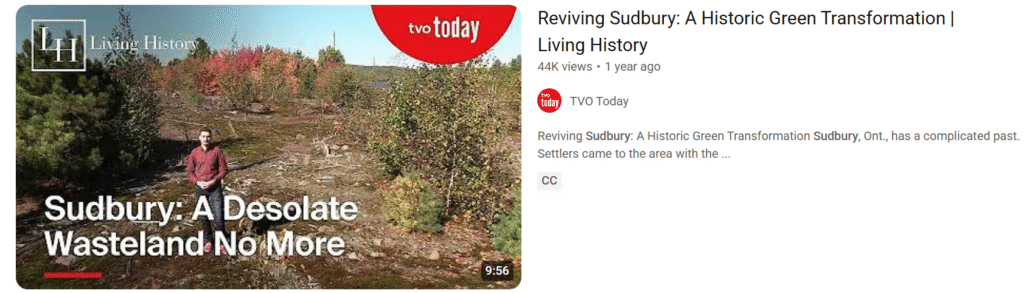
Source: https://www.youtube.com/watch?v=JU3iOzByOj8
Here is the learning objective I would have in mind for this video:
After several sessions examining this video, the transcript and the real life context, the student will (A) be more familiar with (i) the vocabulary used to discuss re-greening polluted areas (ii) the form, meaning and usage of selected grammatical structures and (B) will have increased their knowledge.